 Basement waterproofing · Cedar Rapids, IA
We protect basements in Cedar Rapids, Marion, Hiawatha, and Fairfax from groundwater, river flooding, and seasonal moisture problems.
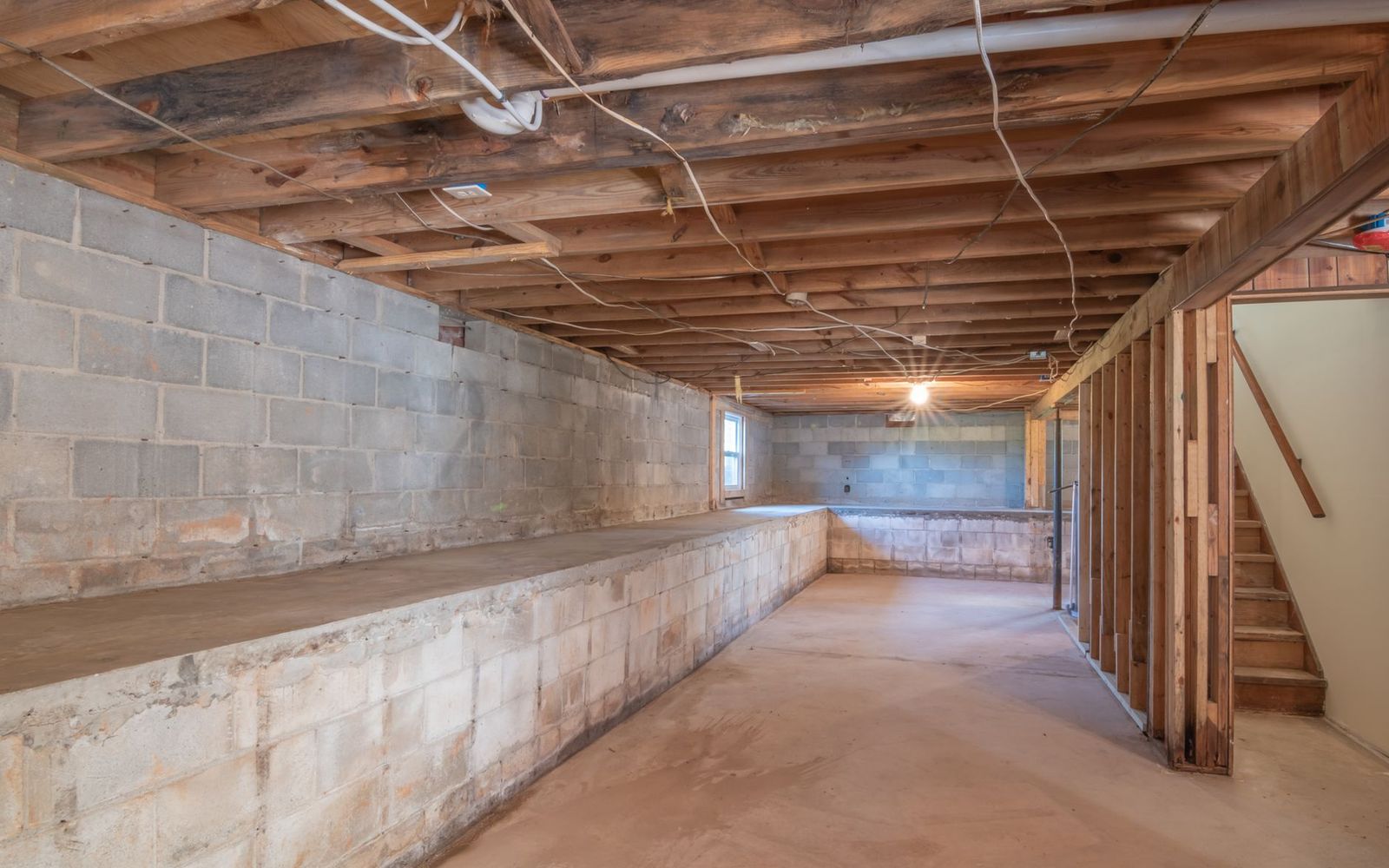
Get my free quoteCedar Rapids sits along the Cedar River on clay-heavy soil that holds water like a sponge. When we get those spring rains or summer thunderstorms, water has nowhere to go but down into your foundation. Add in the fact that many homes here were built between the 1950s and 1980s, and you have older foundations that were never designed to handle the kind of moisture we see today. Basement leaks and wet crawl spaces are common problems across the NE, SE, SW, and NW quadrants of the city.
The 2008 flood taught everyone in this area what water can do when it gets where it should not be. That event crested at 31.12 feet on June 13, 2008, and flooded over 5,000 homes across more than 10 square miles of the city. Even if your home was not in the flood zone, groundwater and drainage issues are still a real concern. Our clay soil expands when wet and contracts when dry, which puts constant pressure on foundation walls and cracks them over time.
We handle interior drainage systems, sump pump installation, foundation crack repair, exterior waterproofing, and crawl space encapsulation. Most basements around here need a combination of fixes to stay dry long-term. The work we do keeps your foundation solid, protects your belongings, and makes sure your home value does not drop because of water damage.
We install perimeter drain tile along the inside of your foundation footer to collect water before it comes up through the floor. The system directs everything to a sump basin so your basement stays dry even during heavy rain.
A reliable sump pump is critical in Cedar Rapids where the water table can rise fast. We install primary pumps with battery backup systems so you are covered even when the power goes out during storms.
Clay soil movement causes cracks in poured concrete and block walls. We inject epoxy or polyurethane to seal cracks permanently and stop water from seeping through your foundation.
For serious foundation problems, we excavate around the outside of your home, apply waterproof membrane, install drain tile, and backfill properly. This keeps water away from your walls before it ever gets inside.
We seal dirt crawl spaces with heavy vapor barriers, insulate walls, and add dehumidifiers to control moisture. This prevents mold, wood rot, and the musty smell that comes up through your floors.
Even a sealed basement can have humidity problems in our climate. We install commercial-grade dehumidifiers that keep humidity below 50 percent and run automatically so you do not have to think about it.
Our work is based on how water moves through local clay soil and where it collects around foundations in this area. We have worked in Wellington Heights, Czech Village, Marion, and every quadrant of the city.
We do not just patch the problem. We dig down to the footer, install proper drainage, and make sure water has a path out. The systems we put in are designed to last decades.
Some basements only need crack repair. Others need full interior drainage and a sump pump. We walk you through what is wrong, why it is happening, and what it will take to fix it for good.
We pull permits when required by the city, use quality materials, and do not cut corners. You get a system that works when the next big rain comes through.
Cedar Rapids sits on heavy clay soil that does not drain well. When we get rain, water sits on the surface and slowly works its way down along your foundation. The Cedar River runs right through the middle of town, and even if you are not in the floodplain, the water table can rise several feet during wet springs. The 2008 flood on June 13 crested at 31.12 feet and displaced over 10,000 residents. That was a 500-year event, but even normal rainfall causes basement problems here because of how our soil holds water. Many neighborhoods like Wellington Heights, Mound View, Czech Village, and the Southwest Area have homes built in the 1950s through 1980s with foundations that were not waterproofed to modern standards.
The city requires building permits for most foundation work, and inspections make sure the job is done to code. Seasonal freezing and thawing also play a role, as water in the soil expands when it freezes and pushes against foundation walls. You will see more basement leaks in March and April when the ground thaws and again during heavy summer storms. Marion, Hiawatha, and Fairfax have the same soil conditions and the same problems. If your sump pump runs constantly in spring or you see efflorescence on your walls, you have a drainage issue that needs fixing.
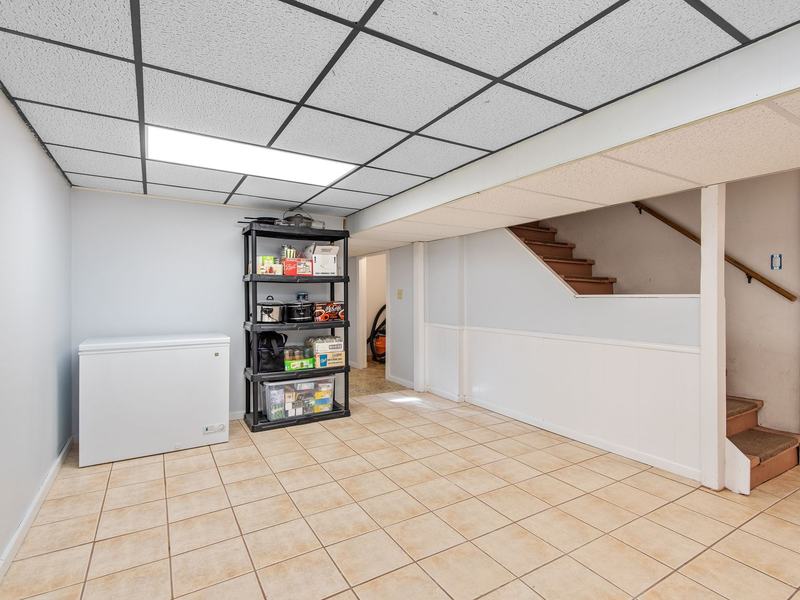
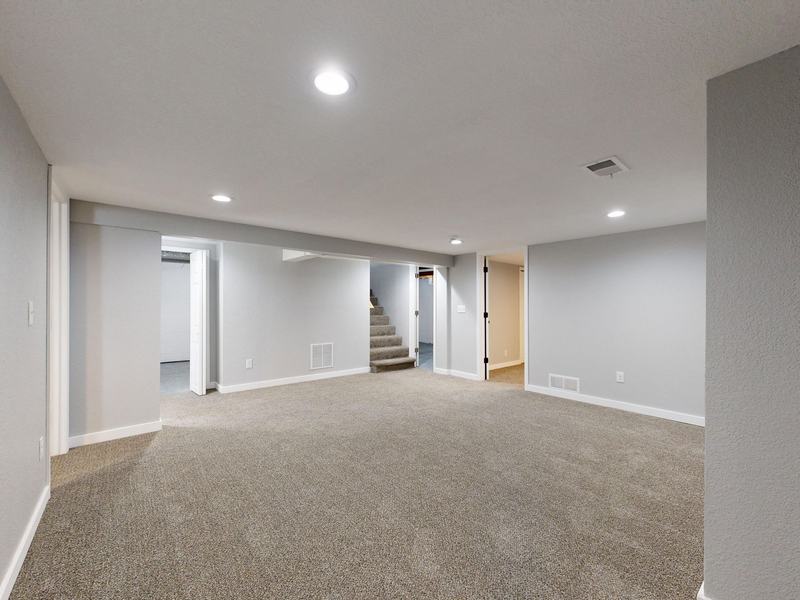
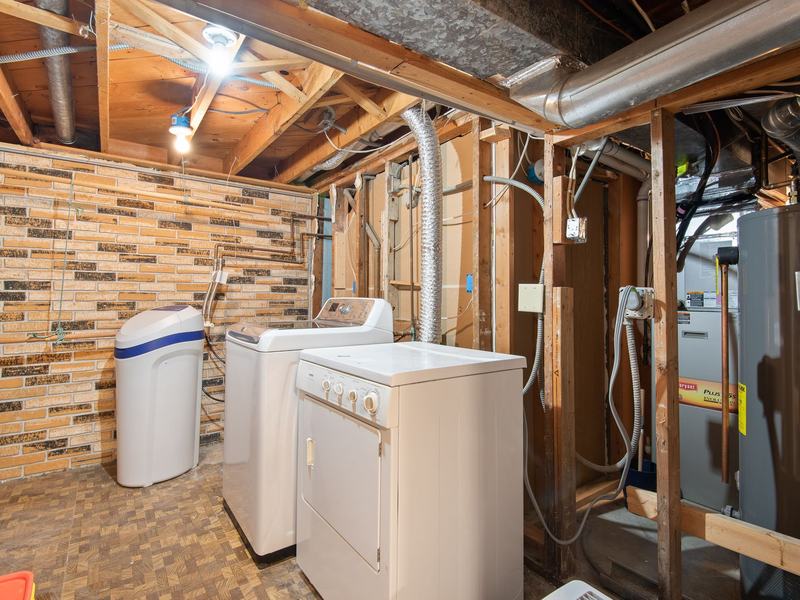
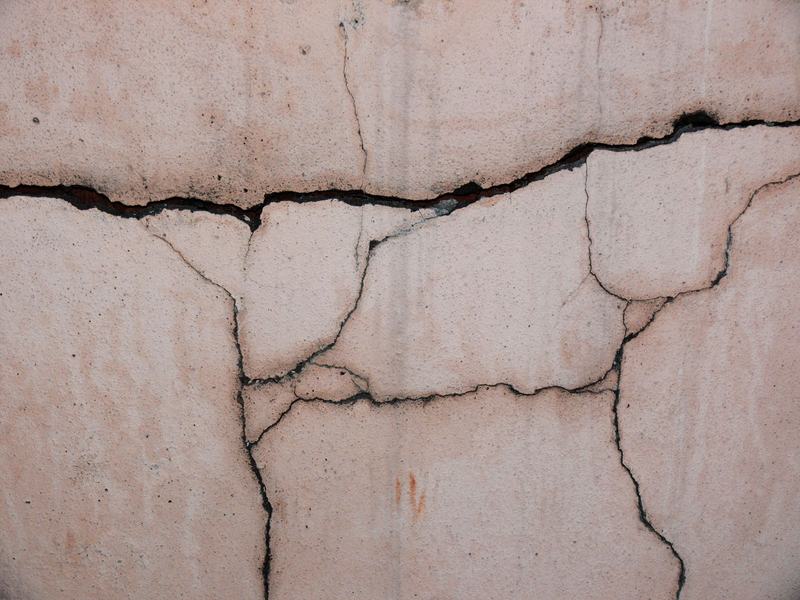
A basic interior drainage system with a sump pump typically runs between $4,500 and $8,000 depending on the size of your basement and how much concrete we need to remove. Foundation crack repair costs $400 to $1,200 per crack depending on length and whether it is active or stable. Full exterior waterproofing with excavation runs $10,000 to $20,000 or more for an average home because of the labor and equipment involved. Crawl space encapsulation with vapor barrier and dehumidifier usually costs $3,000 to $7,000. Prices go up if your lot has poor access, if we hit bedrock, or if your foundation needs structural repair beyond just waterproofing. Every job is different, so we give you a detailed written estimate after we see your property.
Based around Cedar Rapids, IA, we also take jobs in these nearby towns. Put your town on the form and we will tell you right away if we can help.
Most interior drainage systems take two to four days depending on the size of your basement. We jackhammer the trench, install the pipe and sump pump, and pour new concrete. Exterior waterproofing takes longer, usually a week or more, because we have to excavate around the foundation and wait for coatings to cure.
Interior drainage and sump pumps handle groundwater and normal rain, but they will not protect you from major river flooding like we saw in 2008. If you are in the floodplain, you need the city flood control system and possibly exterior flood barriers. We can help with groundwater issues, but river flooding is a different problem.
Most sump pump and interior drainage work does not require a permit if it is inside your existing foundation. Major structural work or exterior excavation may need a permit. We handle that process and make sure inspections are done if required.
Spring is when the ground thaws and snow melts. All that water saturates our clay soil and has nowhere to go but down. Your foundation is under the most pressure in March, April, and May. A proper drainage system collects that water before it comes through your walls or floor.
Yes, once the drainage system is in and tested, you can frame walls and finish the space. We recommend waiting a few months and watching the system through a wet season first. That way you know it works before you invest in drywall and flooring.
A quality sump pump lasts seven to ten years with regular use. If your pump runs a lot during wet springs, it may wear out sooner. We recommend testing it twice a year and having a battery backup installed so you are covered during power outages.
Tell us what you need and where. We usually reply within one business day. A photo helps us give you a faster, more accurate quote.
No obligation and no pressure.
 CEDAR RAPIDS